Personal hygiene and social distancing undoubtedly help to control viral epidemics. But it is not our only trump card against microbes – good hygiene and regular disinfection at home guarantee the health of its inhabitants.
I will gather in one place the best tips and tactics for basic home cleaning and effective disinfection to stop the spread of viruses, germs and other bacteria.
Cleaning and disinfection of the house
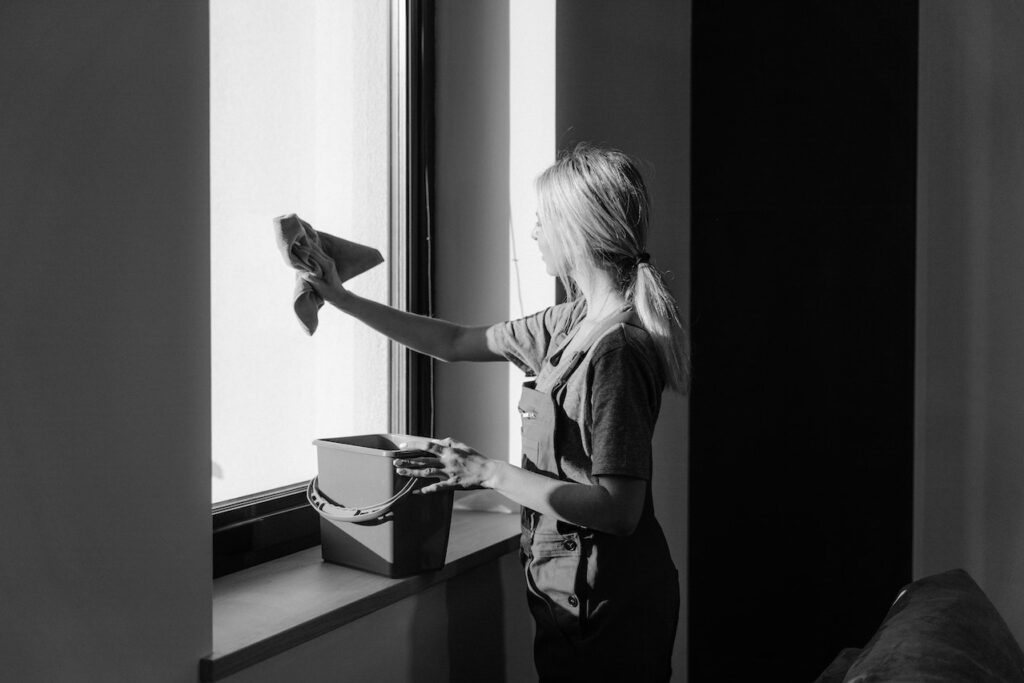
Many people do not distinguish between cleaning and disinfection. Cleaning removes germs or dirt from the surface, but this does not kill pathogens. It more often wipes them but still reduces the spread of infection. On the other hand, disinfection uses chemicals to kill germs on surfaces. Here’s a look at what the differences are:
Cleaning: Vacuuming carpets, washing floors, wiping countertops and tables, dusting, etc.
Disinfection: We use disinfectants on surfaces with frequent direct contact, such as door handles, windows, cabinets, light switches, remotes, toilets, desks, chairs, sinks and countertops, etc.
What can you use for home disinfection?
Unfortunately, environmental products are not as effective as “household chemicals” when we talk about the destruction of pathogens of dangerous viruses. The most effective natural way to disinfect is to clean with a steam cleaner, but only some have one. However, you can use the following products:
- Detergents that contain bleach
- Solutions containing ethanol alcohol
- A solution of hot water and lots of soap also works if you have nothing else.
Disinfection with home-made detergents
You can easily make a home disinfectant with vinegar, water and essential oils. Vinegar and essential oil have excellent antibacterial properties. Mix the ingredients. The vinegar should be one part, and the water – three parts. Add three or four drops of your favourite essential oil and shake. It is best to use a spray to treat all surfaces at home.
Disinfection with essential oils and salt lamps
Essential oils are also a good disinfectant, so if you have such a device, its regular use will reduce the likelihood of getting sick. The same principle applies to unique salt lamps, whose salt crystals form ions in the air, destroying viruses and bacteria. The disadvantage of this disinfection method is that it works well only in smaller rooms. To disinfect a larger space, you must put in more than one salt lamp.
Disinfection with alcohol
Alcohol is suitable for treating smaller surfaces, toys, accessories and similar things. Pass them with an alcohol swab soaked in alcohol, and you will destroy all viruses. It is good to disinfect door handles and other more risky places periodically because all family members use them constantly.
Practical advice
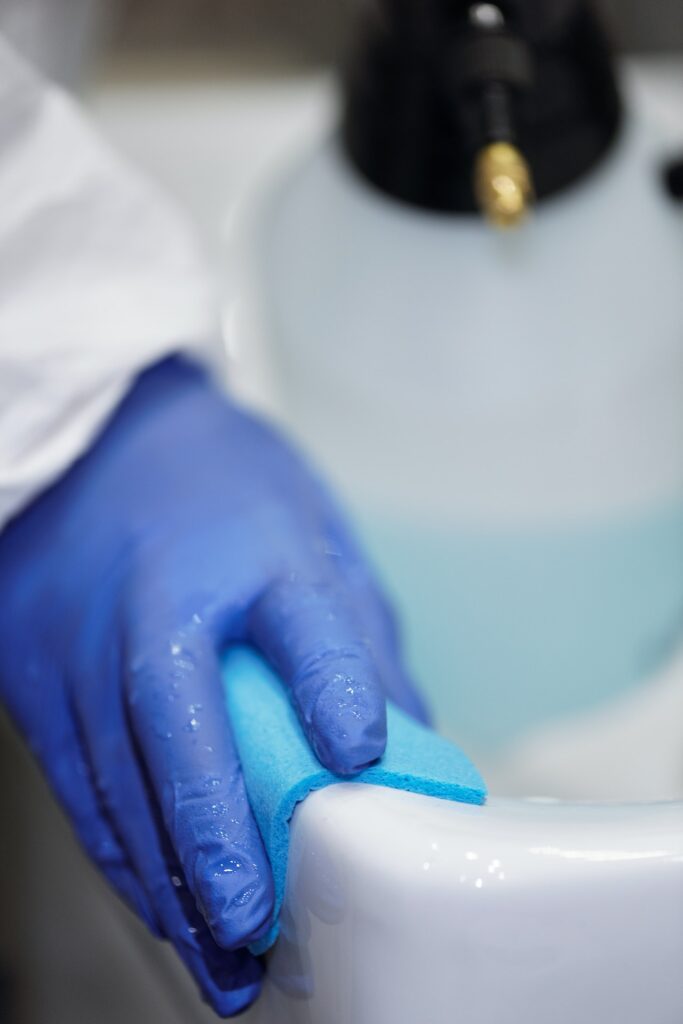
Depending on the different disinfectants you use, the safety requirements are additional. Above all, it is good to take care of eye and hand protection (gloves and goggles) because many aggressive products can adversely affect the skin and mucous membranes of the eyes.
Also, children and animals should not be there while treating individual rooms. It is best to start with all corners, horizontal or vertical surfaces and finish with the floor. Remember, the home textiles you must wash or treat in another way. Small accessories – personal accessories, toys, decorative items, spray or wash with soap and water.
Other ways to keep germs away from home
Check out the tips below – they, along with the use of disinfectants and good personal hygiene, are your best antiviral tactics.
- Leave “dirty” things by the door. Minimise the entry of pathogens into your home. Please take off your shoes and keep them in the hallway or garage. Although the transmission of the virus through shoes is not standard, they can carry other nasty bacteria, germs and dirt in the home. Remember that purses, bags, backpacks or other outdoor items may have been in contact with a contaminated area or touched with dirty hands. Therefore, it is good that they remain in the hallway – do not place them on kitchen countertops, dining tables, or near recreation areas – coffee tables, sofas, or beds.
- Disinfection of small items that we often hold in our hands. It is not enough to wash the door handle and hands if we use a mobile phone outside with us. Clean the device with an alcohol-based detergent. Even pure alcohol works. Disinfect keys and locks daily.
- Change your clothes. If you’ve been outside, no matter what you’ve done, change into clean home clothes. Put the clothes you go out to wash, or at least take them out on the terrace or in the yard in direct sunlight for a few hours. You may not always wash outerwear every day, but ultraviolet rays will deal with germs.
- Leave hand sanitiser near the door. In addition to frequently cleaning the front door handle, it is good not to touch it with dirty hands. Leaving a bottle of disinfectant and using it every time you enter will significantly reduce the germs you miss in your home. However, using a product containing at least 60% alcohol is essential.
- Disinfection at the workplace. Even if you do not go to the office but work from home, we must not forget that the keyboard and mouse are one of the most extensive breeding grounds for microbes, viruses and bacteria. So clean your workplace often.
- Use antibacterial cycles on the washing machine, dryer and dishwasher. Many newer models have this option, which uses hotter than usual temperatures to reduce bacteria.
These are the essential tips to slam the door under the nose of epidemics. We hope you find it helpful, and we will be happy to share more methods for cleaning your home and disinfecting against viruses.
It is good to treat the premises with special disinfectants every three months so that you can rest assured that you will not allow pathogenic bacteria, viruses or fungi in your home.